8 Popular Nail Shape Chart Guide
Ever sat down for a manicure, heard “square or round?” and forgotten every nail shape you saved on Pinterest? This guide puts eight popular shapes side by side so you can spot the differences before your appointment. Whether you keep your nails short for typing or want dramatic tips for a wedding, you’ll find a shape that fits the way you actually use your hands.
Nail Shape Chart at a Glance
Look at the tip and side edges first. A flat tip can belong to a square, squoval, coffin, or lipstick nail, depending on how the sides and corners meet it. Length changes the look, too, so use the chart as a starting point and check the shape against your own nails.
- RoundShort · curved edge
- SquareShort to medium · flat edge
- SquovalShort to medium · soft corners
- OvalMedium to long · rounded taper
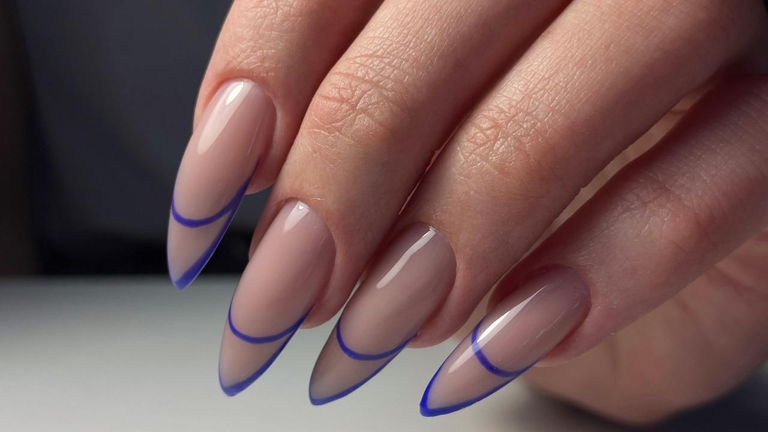
- AlmondMedium to long · soft point
- CoffinLong · narrow flat tip
- StilettoLong · sharp point
- LipstickMedium to long · slanted tip
Compare short, softly squared tips with the longer taper of almond nails.
Eight Nail Shapes and What Makes Each One Different
Which shape would you pick if polish color were off the table? Picture each one with a clear gloss. That makes it easier to judge the outline on its own.
1. Round nails
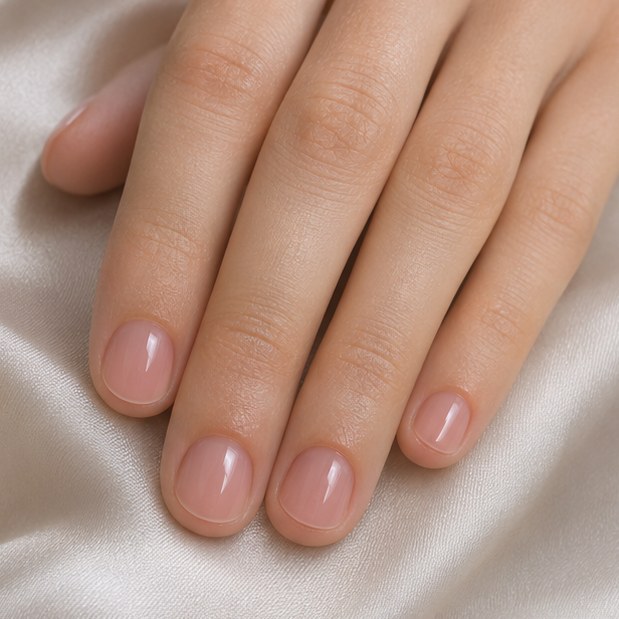
Round nails follow the curve of the fingertip and keep a fairly even width through the sides. They’re a good pick when you have just a sliver of nail beyond the skin and want a tidy manicure. Try a sheer pink or a glossy deep berry if you want short nails with a little more personality. At the salon, ask for a gentle curve that follows your fingertip.
2. Square nails
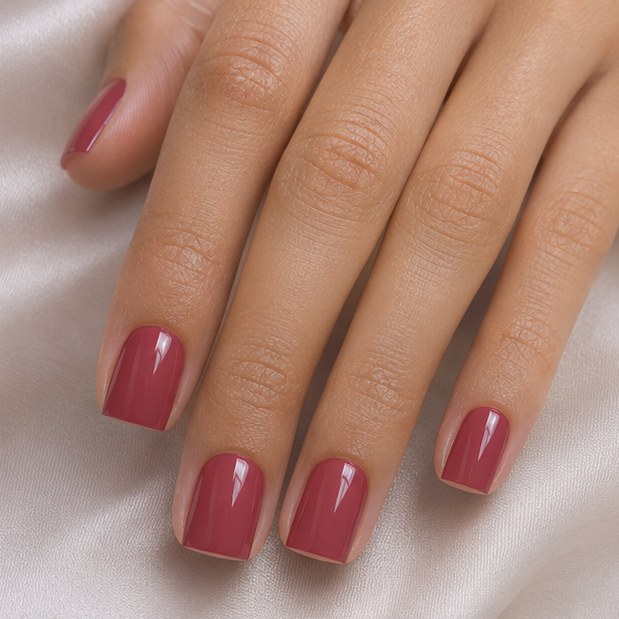
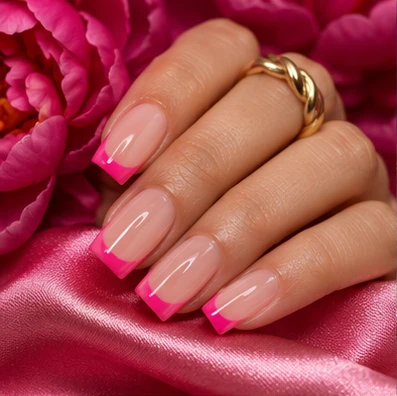
Square nails have straight sides, a flat tip, and crisp corners. The straight edge looks especially clean with a thin French line or color-block nail art. Do sharp corners tend to catch in your knitwear or hair? Ask for a light pass with the file at each corner if you want to keep the squared look.
3. Squoval nails
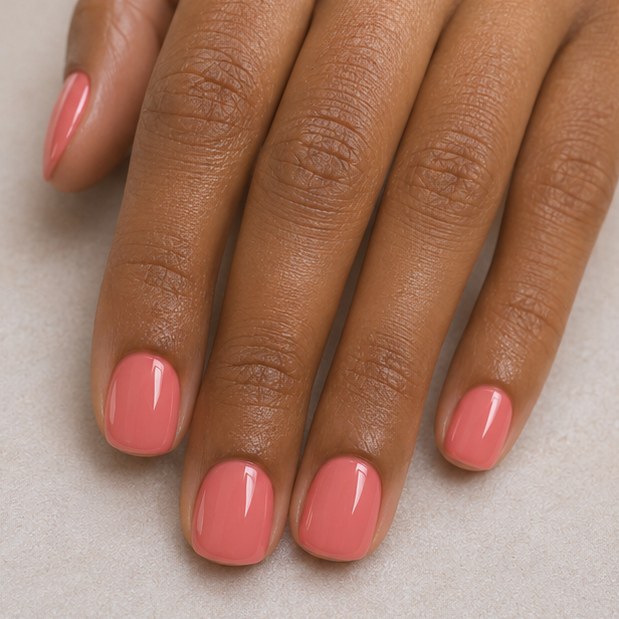
Squoval nails pair a mostly flat tip with rounded corners. They work particularly well on short nails because you can see the shape without growing much extra length. A milky finish highlights the soft outline, while a dark polish shows off the flat center. If you’ve ever asked for “square with softer corners,” this is probably the shape you had in mind.
4. Oval nails
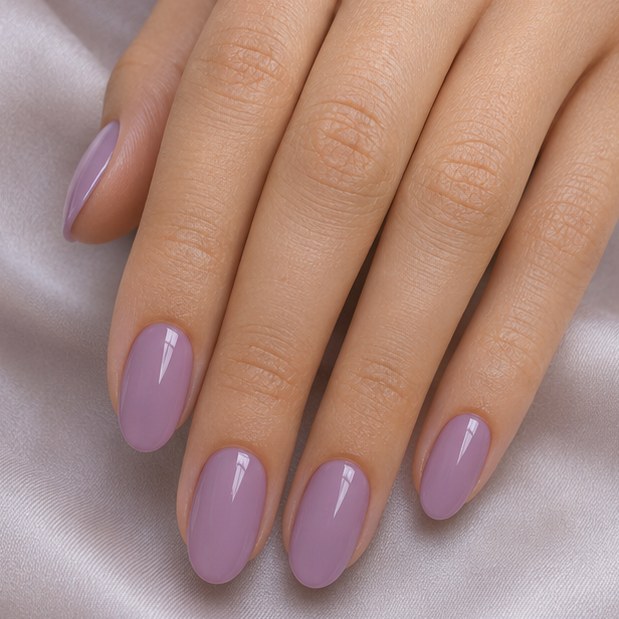
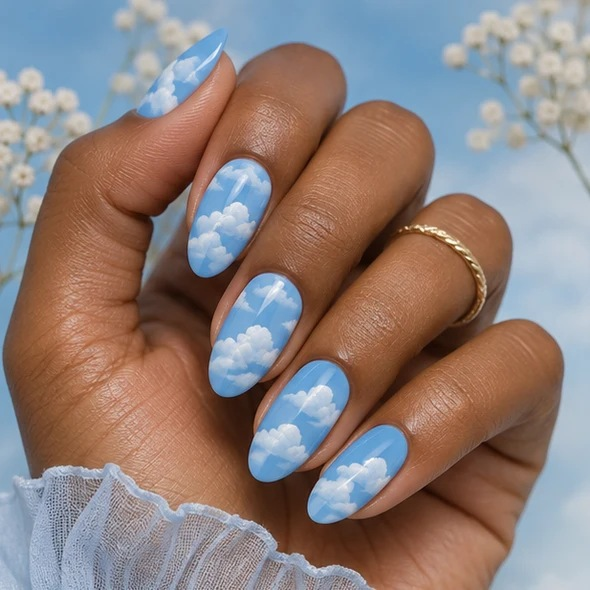
Oval nails narrow gently along the sides and finish in a smooth, rounded tip. That gradual taper gives them a more elongated look than round nails. They suit sheer shades, simple florals, and French tips that follow the curve. Look straight down at the nail to see where the sides begin to taper.
5. Almond nails
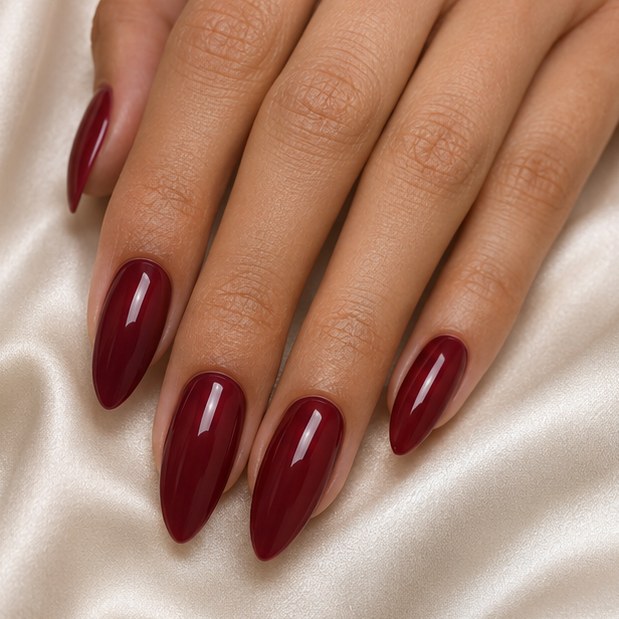
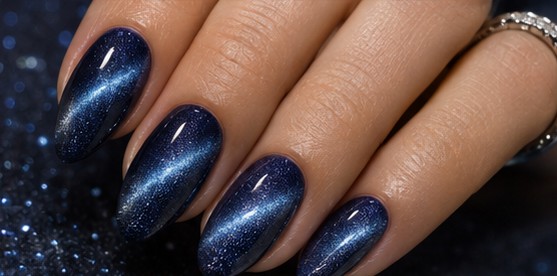
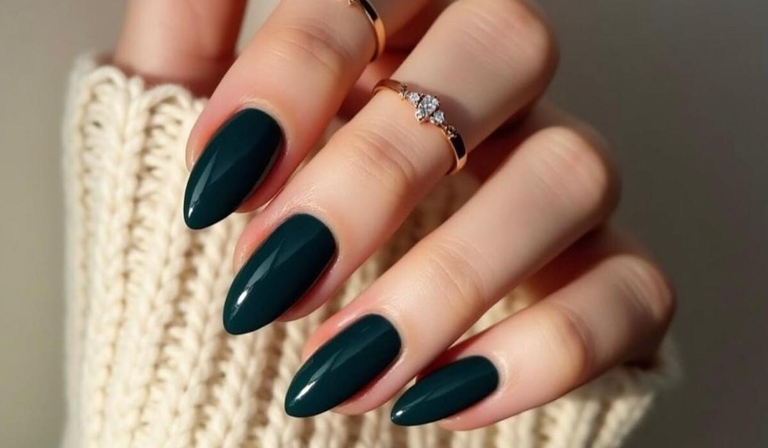
Almond nails taper on both sides and end in a soft point, like the nut they’re named after. Medium length is often enough to make that outline clear. Try a glossy cherry red or a French tip that traces the taper. If you’re shaping them at home, check that the tip lines up with the center of the nail before filing any more.
6. Coffin nails
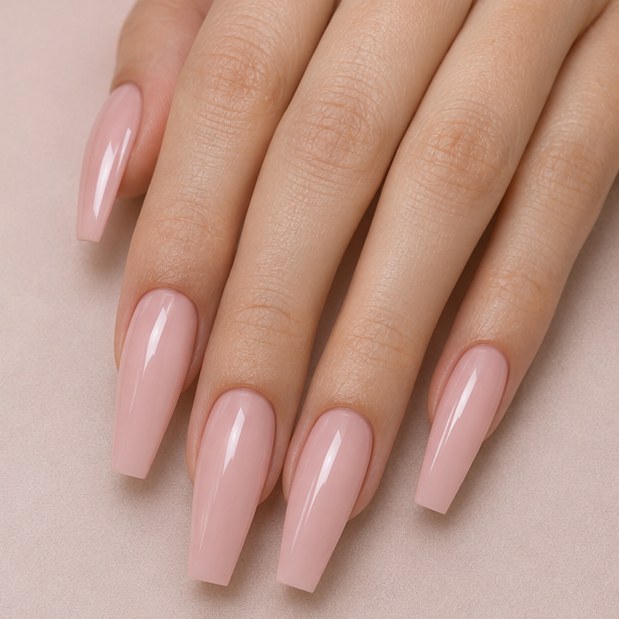
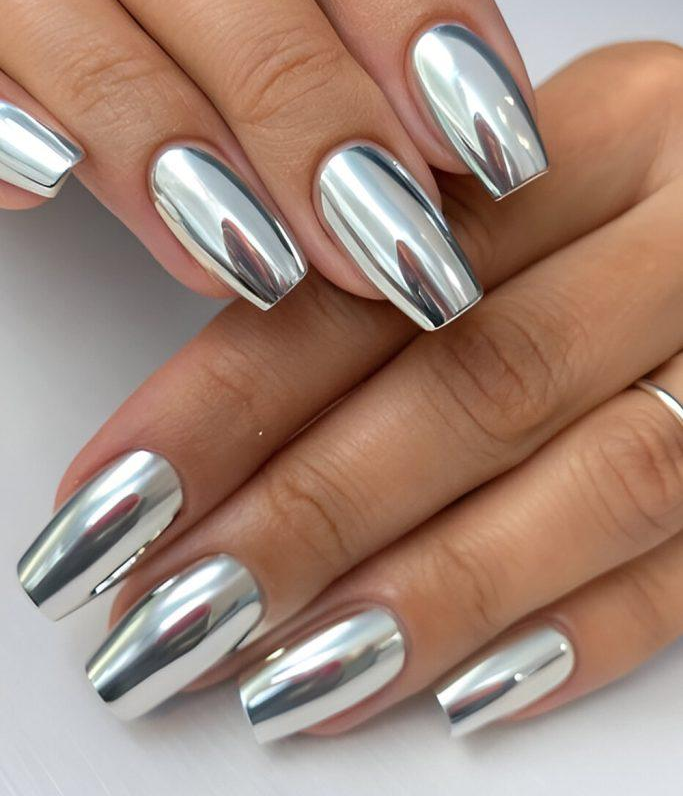
Coffin nails have tapered sides and a narrow, flat end. You may also hear them called ballerina nails because the tip resembles a pointe shoe. Extra length gives the taper room to show and leaves plenty of space for an ombré or chrome finish. Love the outline and want to keep them shorter? Ask to see a short coffin example before your tech files the sides.
7. Stiletto nails
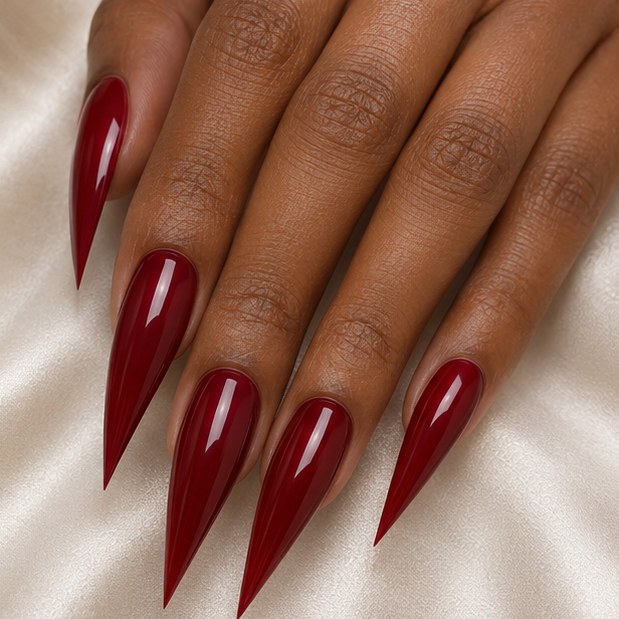
Stiletto nails taper to a sharp point. Longer tips make the point more obvious, which works beautifully with chrome or a gradient that darkens toward the end. Consider how the length will feel when you type, put on gloves, or unfasten jewelry. If you like the taper and want a softer tip, take a look at almond.
8. Lipstick nails
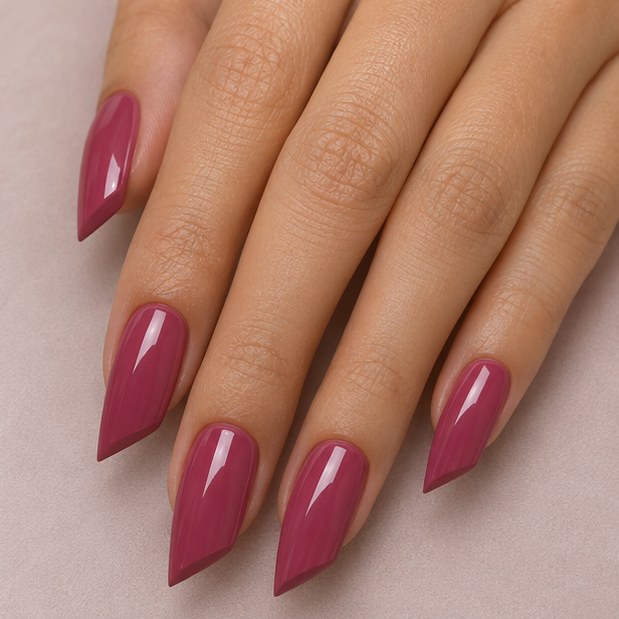
Lipstick nails have a diagonal tip that looks like the angled surface of a fresh lipstick bullet. A solid color makes the slant easy to see, while a diagonal French design draws attention to it. Bring a reference photo so your nail tech can see the direction and angle you want. A little extra length helps the slant read clearly across the whole hand.
Nail Shape Chart for Short Nails
For short natural nails, start with round, squoval, or square. Round follows the fingertip, squoval gives you a visible flat edge with softer corners, and square keeps the corners crisp. Have a little more length on your middle fingers than on your pinkies? Match the overall outline before deciding how much length to take off each nail.
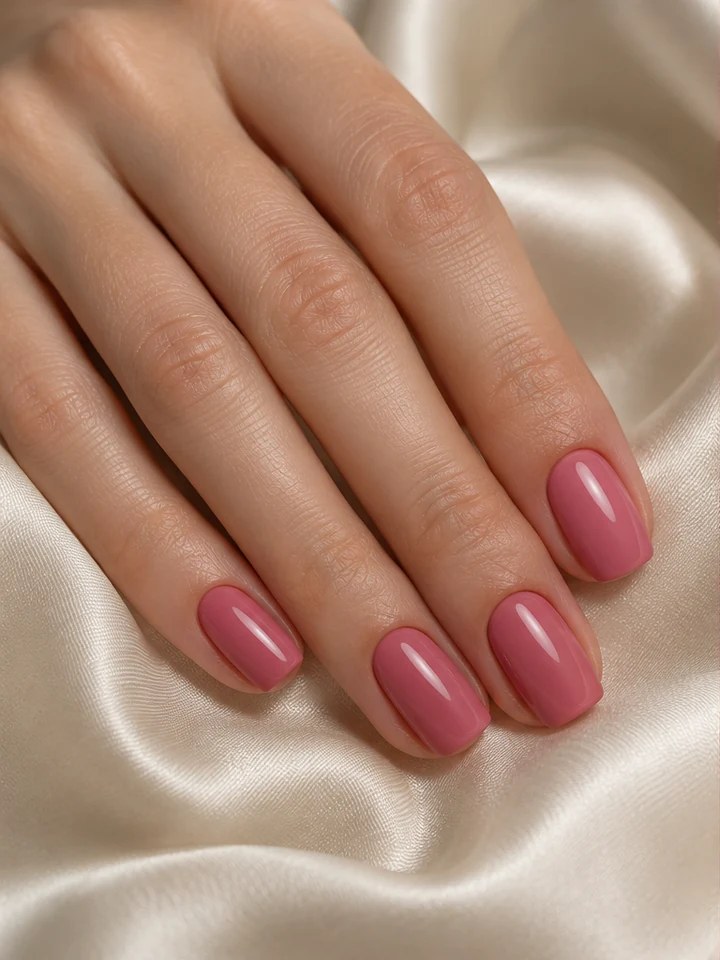
FYI, a narrow French tip can show off the shape while leaving most of the nail bed visible. Try it on one finger before committing to a full set. If you like the look of a soft curve and have enough nail beyond the fingertip to file the sides, a short oval is worth a look too.
Nail Shape Chart for Long Nails
With long nails, you have more room to play with taper, angles, and nail art. Pick oval for a gentle curve, almond for a soft point, or coffin if you want that narrow, flat edge to stand out. Stiletto and lipstick work when you want the outline itself to be part of the design.
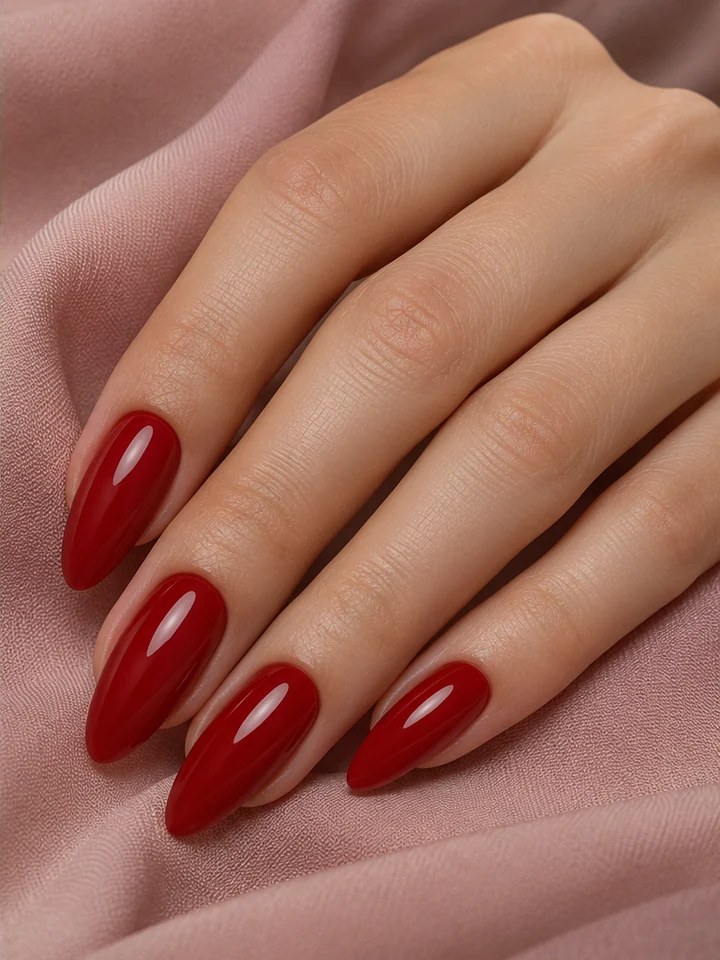
How much length feels comfortable? Think about the tasks you do every day, from unlocking your phone to opening a soda can. If you’re trying extensions for the first time, ask your nail tech to show you the length before final shaping so you can see how it feels.
How to Choose a Nail Shape You’ll Actually Wear
Start with your nail length, then think about your daily routine and the design you’ve saved. If you’re torn between two shapes, use the corner or tip as the tiebreaker. Ask your nail tech to shape one nail first so you can see how it suits your hand.
- For comfortable typing, try short round or squoval.
- For a crisp French manicure, try square or coffin at a length that feels comfortable.
- For a longer-looking outline, try oval or almond for a gentle taper.
- For a statement in one glossy color, try stiletto or lipstick.
What to show your nail tech
Bring a close-up that shows the nails from above so your tech can see the side edges and the tips. Point out the length you like, especially if the photo shows extensions and you plan to keep your natural nails. “A short squoval with a visible flat edge” gives your tech something specific to work with. Check the first nail before the rest of the set gets shaped.
Planning nail art too? Choose the shape first so your tech can fit the design to the space you have. A tiny dot near the cuticle works across almost any shape, while a diagonal stripe can echo the angle of a lipstick tip.
If you like to change your polish every week, think about how much of the outline you want to see under different colors. Sheer polish lets a soft curve blend in, while an opaque shade draws a stronger line around the tip. A quick photo in daylight can help you compare the effect before you pick your next color or design.
Nail Shape FAQs
What’s the difference between oval and almond nails?
Oval nails end in a broad, smooth curve. Almond nails narrow more noticeably toward a centered, rounded point. If you like both and keep your nails fairly short, oval is usually the easier outline to achieve.
What nail shape looks good on wide nail beds?
Oval and almond create a tapered outline that can make the nail look longer. On short nails, a squoval gives the corners a softer finish while keeping the tip broad. Compare photos with nail beds similar to yours to see which look you prefer.
Can I change from square to almond in one appointment?
Yes, if you have enough length for the taper. Your nail tech can round off the square corners and shape the sides toward the center. If your nails are very short, an oval can give you a softer profile while you grow them out.
Pick Your Shape Before Your Next Appointment
For everyday short nails, start with round or squoval. If you have more length, try almond for a soft point or coffin for a tapered shape with a flat tip. IMO, the easiest way to decide is to save two photos and ask your nail tech which shape your current length can pull off. Your camera roll can finally earn its keep.